Meet the birds
Start with a colour, shape, call or behaviour you remember. These beginner-friendly guides explore six familiar Australian birds, with photographs, identifying clues and links to further reading.
There is no need to be an expert. Choose whichever bird catches your interest and explore at your own pace.
Explore six Australian birds
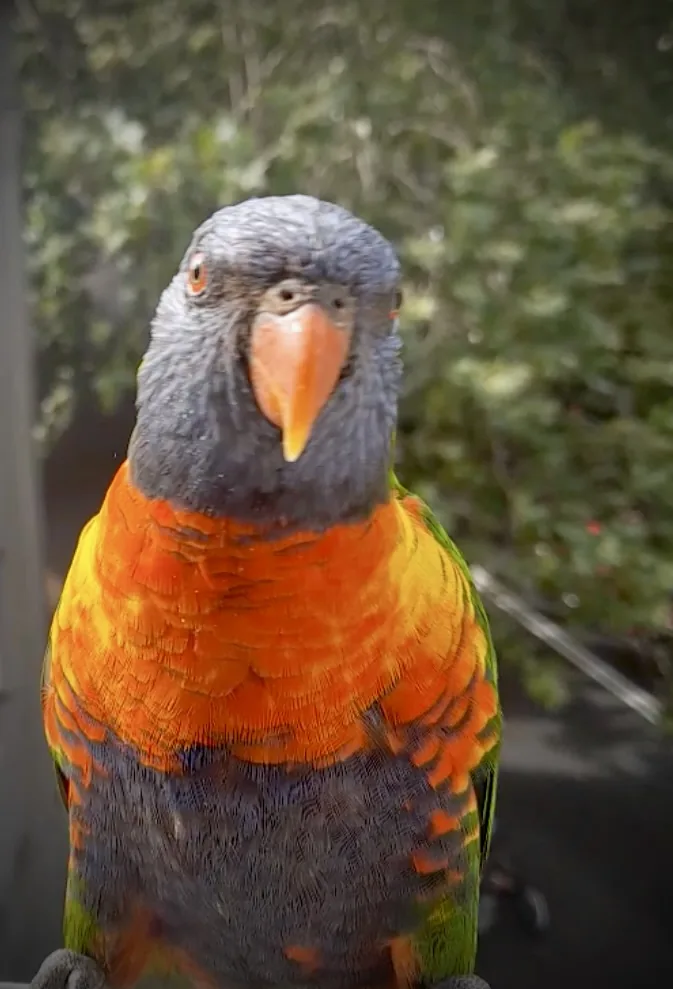
Rainbow Lorikeet
Trichoglossus moluccanus
Identification, habitat, feeding and behaviour →
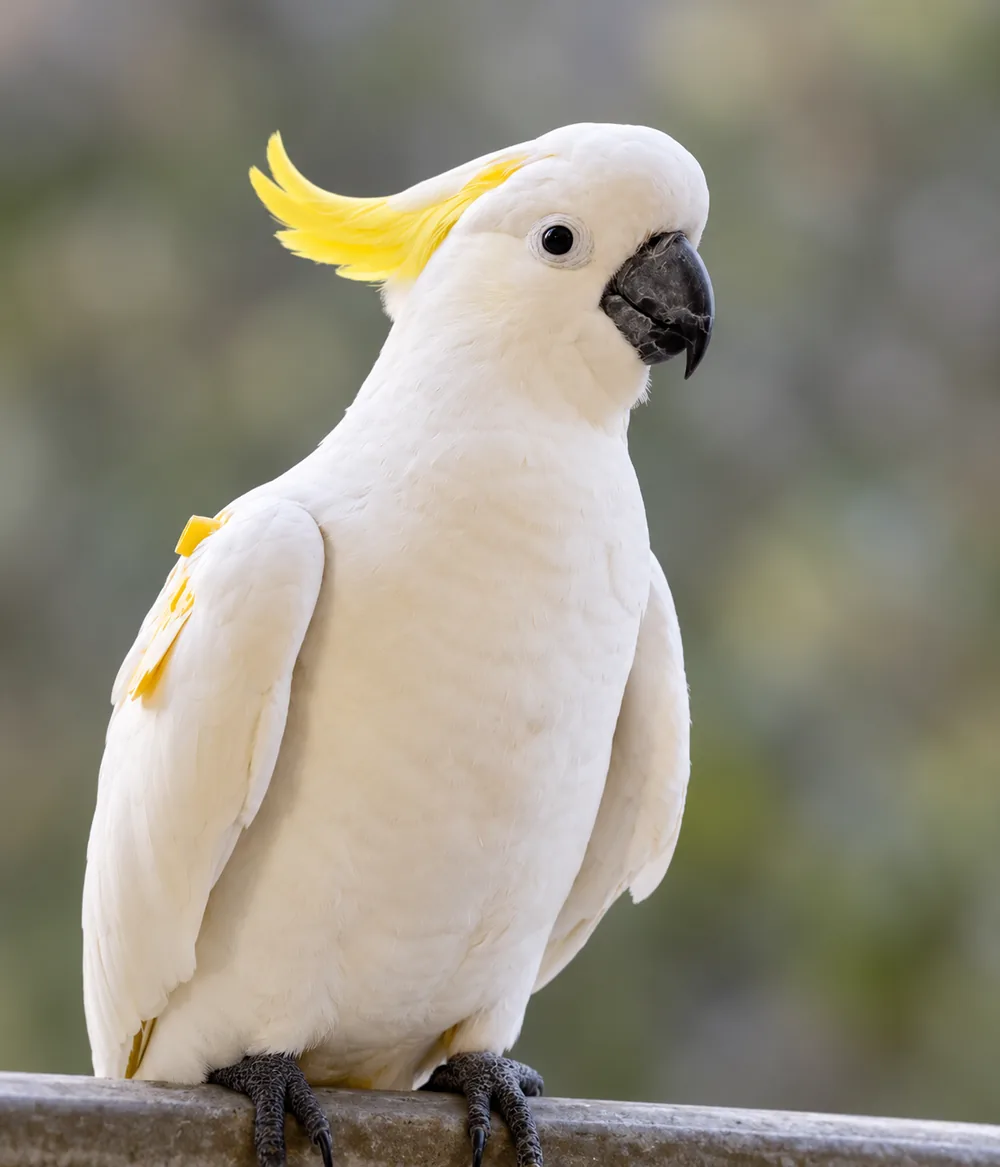
Sulphur-crested Cockatoo
Cacatua galerita
Identification, habitat, feeding and behaviour →
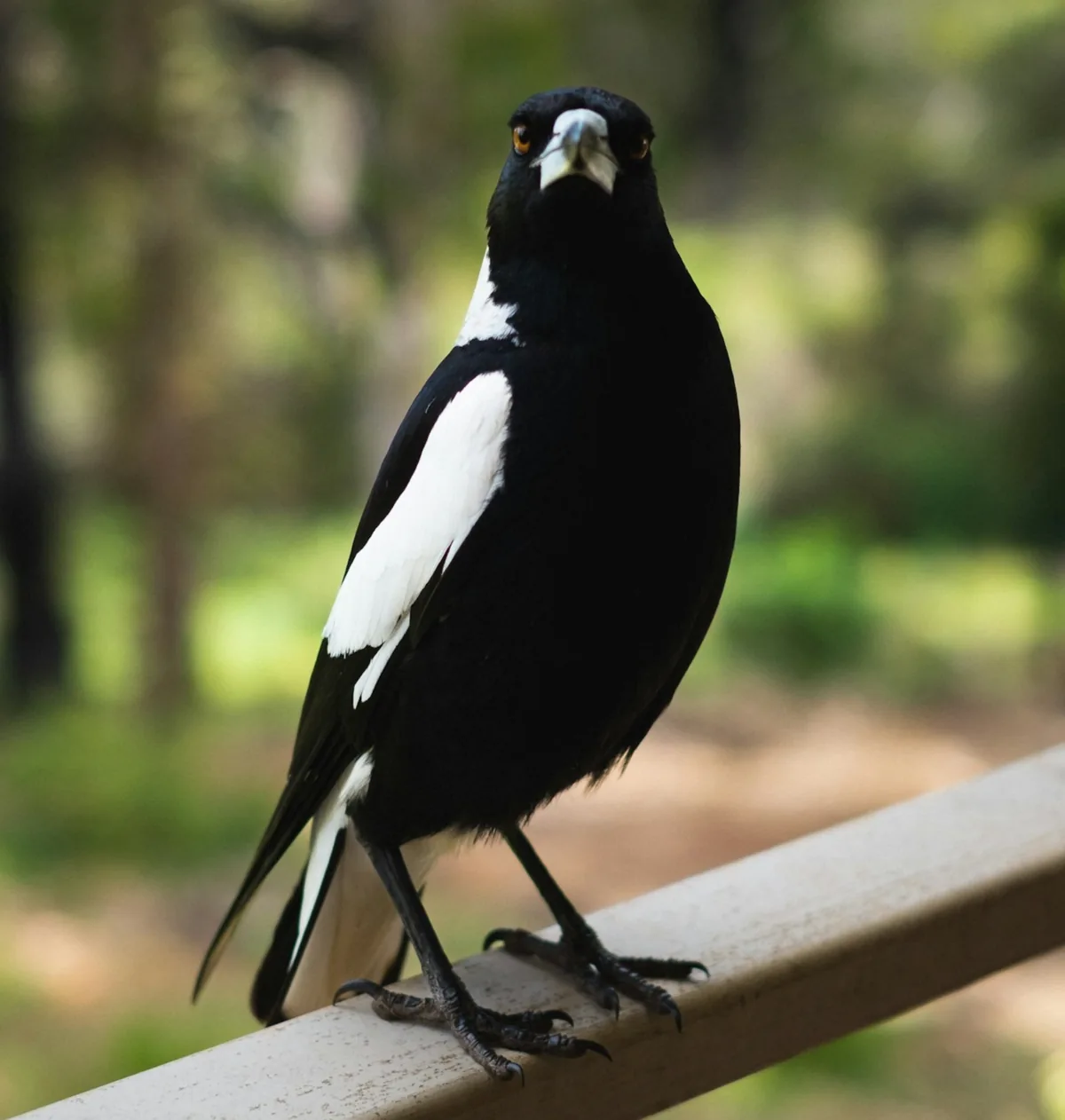
Australian Magpie
Gymnorhina tibicen
Identification, habitat, feeding and behaviour →
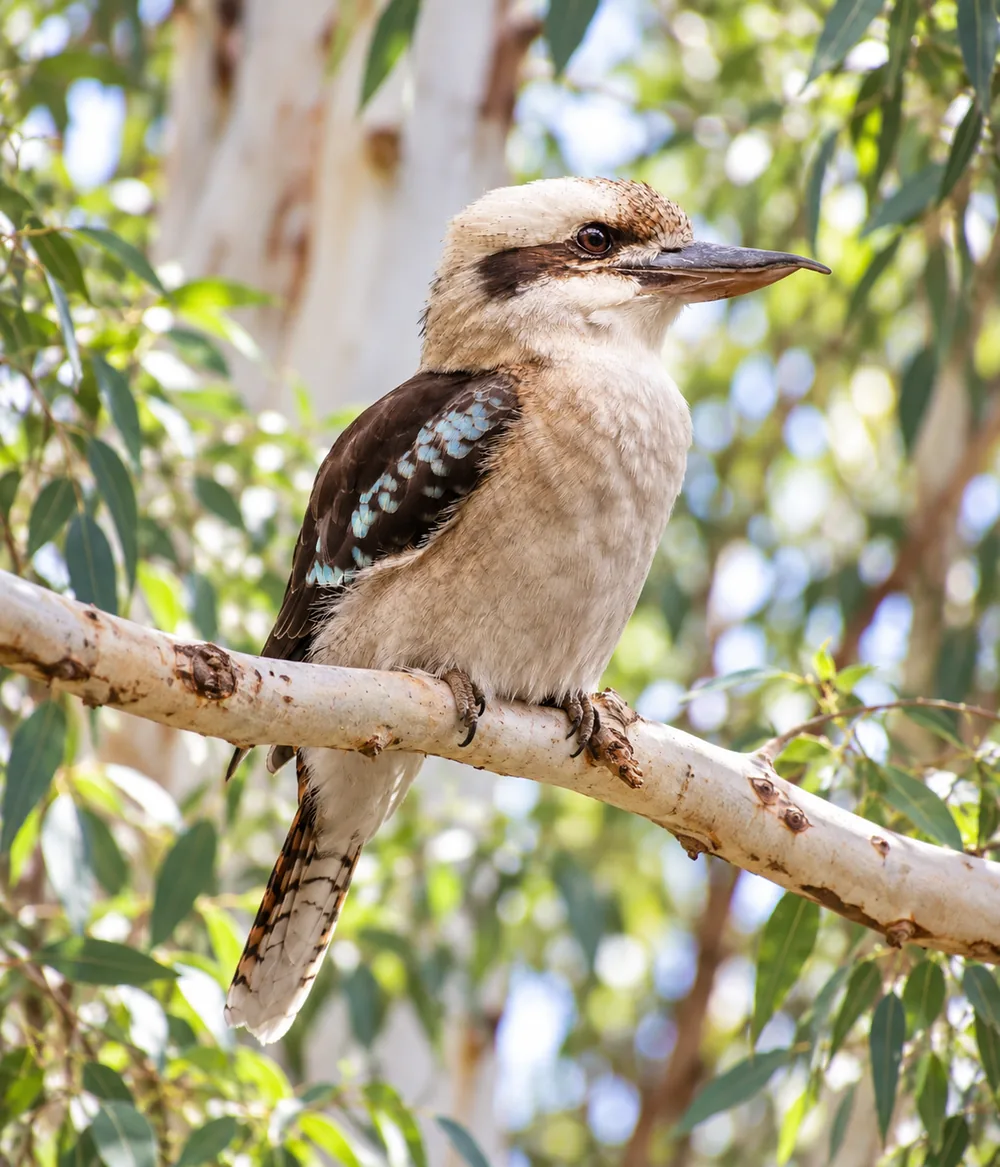
Laughing Kookaburra
Dacelo novaeguineae
Identification, habitat, feeding and behaviour →
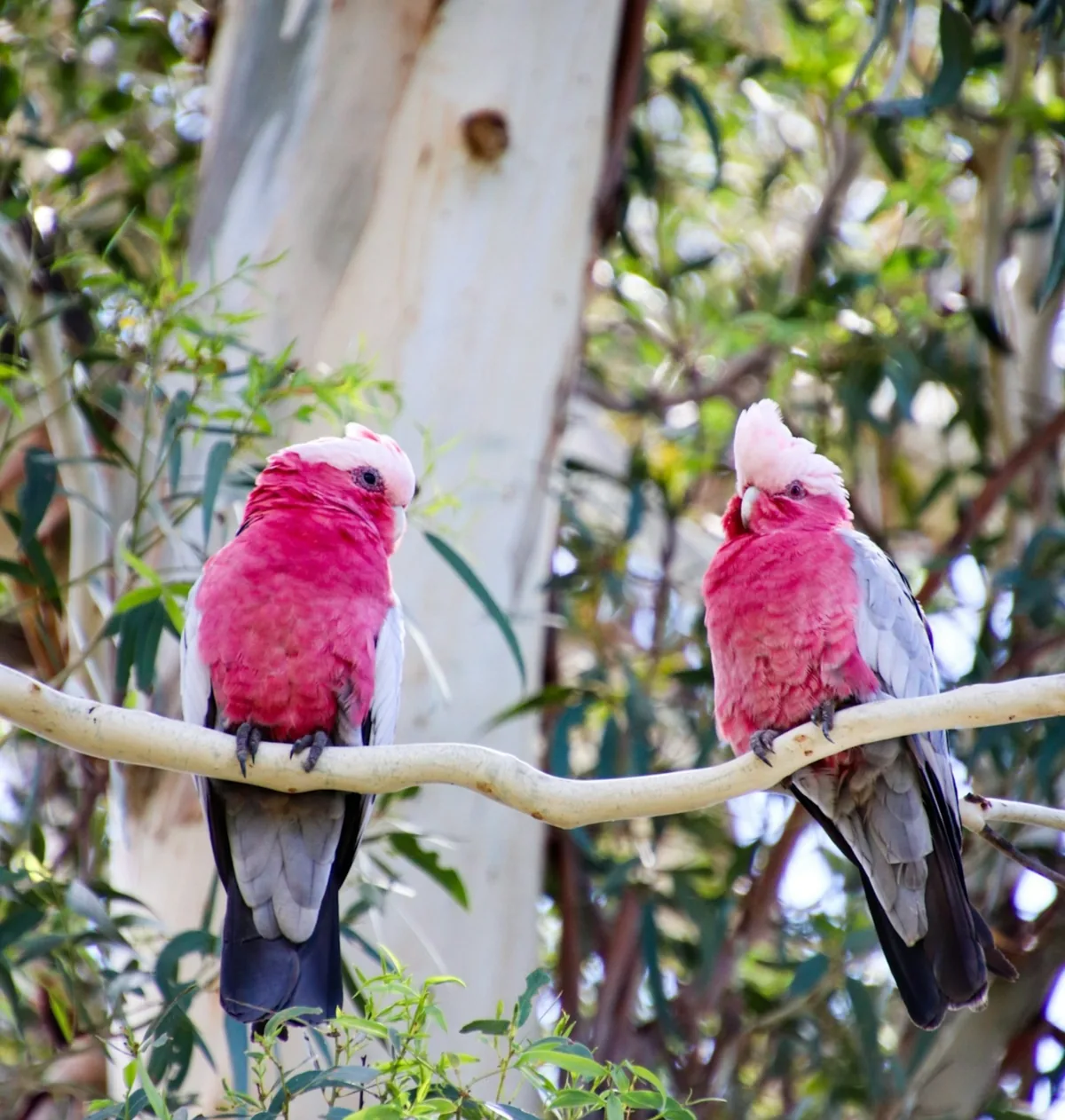
Galah
Eolophus roseicapilla
Identification, habitat, feeding and behaviour →
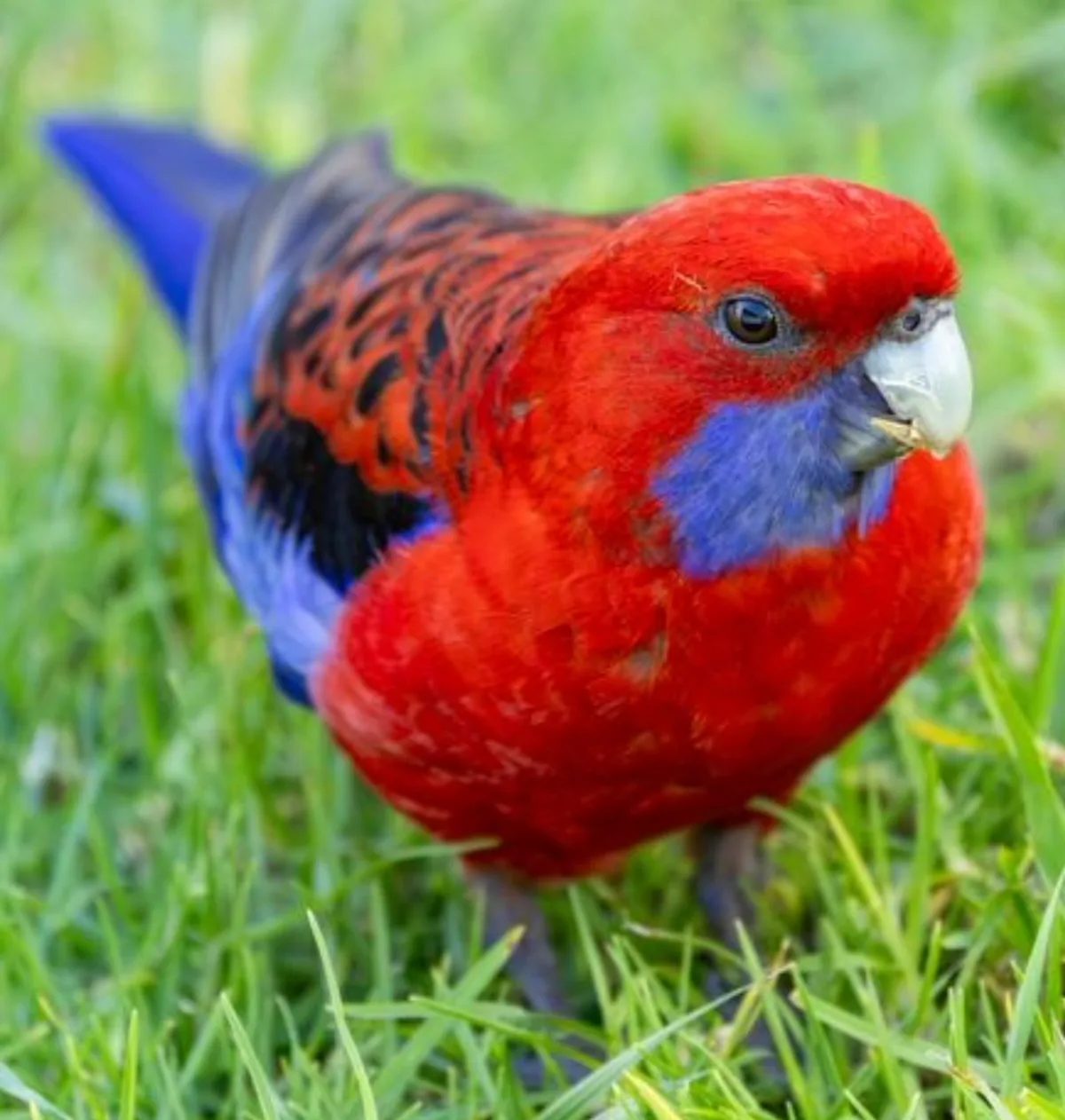
Crimson Rosella
Platycercus elegans
Identification, habitat, feeding and behaviour →
Compare birds that can be confused
Colour helps, but it is rarely enough by itself. Combine the pattern of the face and wings with size, bill shape, location and behaviour.
Rainbow Lorikeet or Crimson Rosella?
Look at the head and chest. Rainbow Lorikeets have blue heads, green backs and orange-yellow chests. The familiar red Crimson Rosella has a red body, distinct blue cheek patches and a long tail.
Watch how they feed. Lorikeets are strongly associated with nectar-rich blossoms; rosellas commonly take seeds and may forage lower down or on the ground. Neither clue alone guarantees an identification.
Sulphur-crested Cockatoo or Galah?
Look at the body colour. A Sulphur-crested Cockatoo is large and mostly white, with a striking yellow crest. A Galah is smaller and pink-and-grey.
Watch the crest and flock. Both belong to the cockatoo family, but their overall colours and proportions make them easy to separate when viewed clearly.
Australian Magpie or Laughing Kookaburra?
Check the bill and colours. Magpies are black and white with pointed bills; kookaburras are brown and pale with broad heads and powerful straight bills.
Listen. Magpies produce rich, flute-like warbling. Kookaburras give a repeated, laugh-like chorus.
Three observations that help
- Appearance: Record a distinctive marking and the bird’s general size.
- Behaviour: Note whether it feeds on flowers, walks on grass or waits on a perch.
- Place: Remember the region and habitat. A clear photograph or sketch can help later.
No need to approach, handle or feed a wild bird to identify it.
Keep learning in your own way
Enjoy a ten-question Australian Bird Quiz, or use our free Australian bird colouring pages to explore shape, pattern and colour at home. These activities are open to curious people of all ages.
Take the quiz →Explore free colouring pages →Trusted sources
Bird identification facts in this collection have been checked with the Australian Museum and BirdLife Australia. Individual species guides link to the relevant reference pages.