Rainbow Lorikeet
Trichoglossus moluccanus
A flash of green, a blue head and a burst of orange in a flowering tree are strong clues that you have spotted a Rainbow Lorikeet. These active parrots often announce themselves with loud chatter before they settle among blossoms. Their colours are memorable, but their feeding style and lively movements are just as helpful for identification.
How to identify →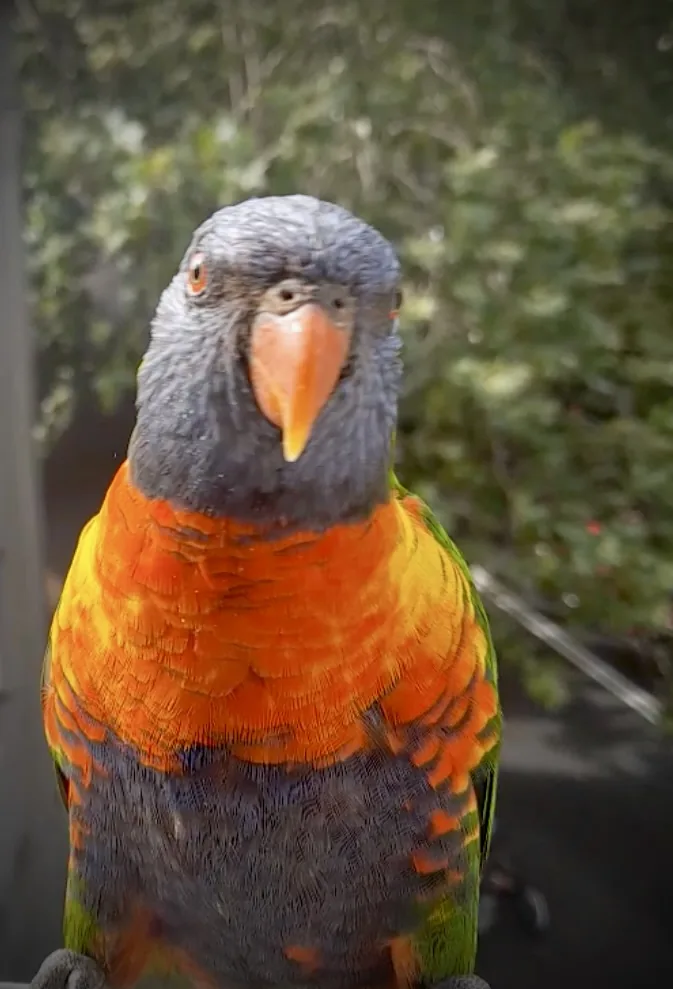
28–32 cm
High-pitched screeches and lively chatter
Woodlands, forests, parks and flowering suburban trees
Nectar and pollen, with fruit, seeds and some insects
How to identify a Rainbow Lorikeet
Start with the head: it is blue to violet-blue, often contrasting sharply with a red-orange bill. The wings, back and tail are largely green. Look for warm orange and yellow across the breast rather than one even colour over the whole body.
The bird is a compact, medium-sized parrot with a curved bill and a relatively long, tapered tail. Males and females have similar plumage, so colour alone usually will not tell you the sex.
A distant view may show only a green bird. Wait for a turn of the head or a glimpse of the chest; two or three clues together are much more reliable than a quick flash of colour.
Where does it live?
Rainbow Lorikeets occur across much of northern and eastern coastal Australia and are especially familiar in well-treed suburbs. They also visit woodland and forest, following flowering trees and other food sources.
A practical place to look is a flowering eucalypt, bottlebrush or other nectar-producing tree. Watch from a distance and notice whether several lorikeets move between blossoms or arrive together as a noisy flock.
Food, calls and behaviour
The tongue of a lorikeet has specialised brush-like structures that help collect nectar and pollen. This is why its feeding style looks different from that of a seed-cracking parrot. Rainbow Lorikeets also eat some fruit, seeds and insects.
Listen for repeated screeches and chatter. Groups may fly quickly overhead and gather at communal roosts as daylight fades. Their energetic calls can be useful even when the birds are partly hidden by foliage.
Don't confuse it with…
Crimson Rosella →
Both can be colourful parrots, but a typical adult Crimson Rosella has a red body and clear blue cheeks, whereas a Rainbow Lorikeet combines a blue head with green upperparts and an orange-yellow chest. Rosellas often forage for seeds; lorikeets are especially associated with blossoms.
Three clues to try outdoors
- Look for a blue head, green wings and orange-yellow chest in the same bird.
- Notice whether the bird visits flowers and uses its bill and tongue among blossoms.
- Listen for quick chatter and check whether it is travelling with other lorikeets.
Remember: a good identification usually combines appearance, location and behaviour. Watch wild birds without disturbing them.
One more thing to notice
If the bird looks mostly green from behind, do not rush the identification. The head and chest pattern may appear only when it turns. Colourful birds can also look duller in shade or against a bright sky.
Make it a small discovery activity
Notice one detail, such as the bird’s bill, wing pattern or feeding style. You could sketch it, note it in a journal, or simply remember it for the next time you see the bird. There is no test and no need to share your observations.
Want to keep exploring? Try the free Australian Bird Quiz or enjoy our original bird colouring pages.
Compare more birds →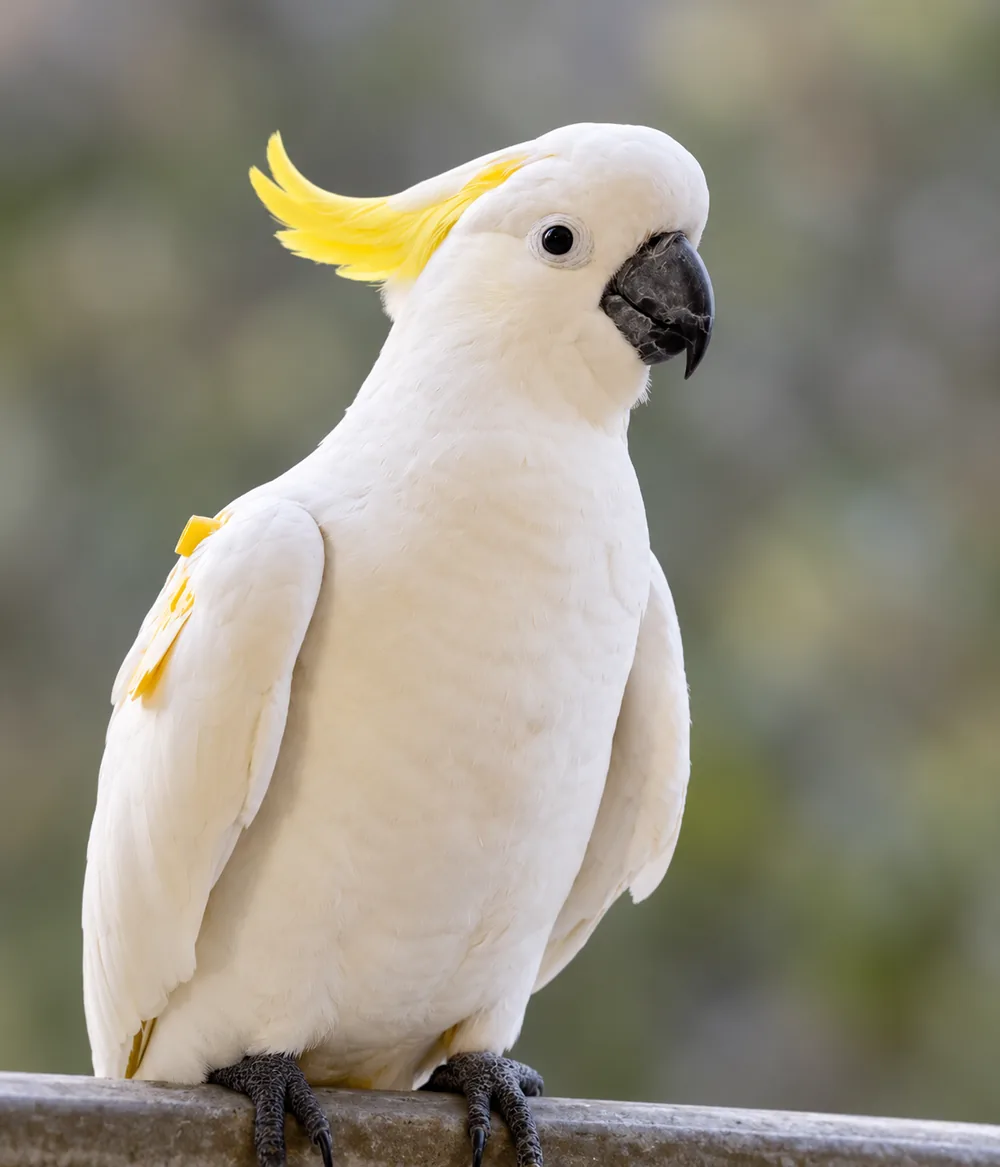
Further reading and fact-checking
The identification and natural-history information in this Birdologies guide was checked against the following educational references. Descriptions are written for curious beginners; the links provide further detail.